Verwoestende overstromingen in Nepal


Een verwoestende overstroming heeft het noorden van Nepal, waaronder het district Rasuwa, getroffen. Honderden mensen zijn omgekomen en duizenden zijn dakloos geworden. Meer dan 900 mensen worden nog steeds vermist, omdat complete dorpen door het water zijn verwoest.
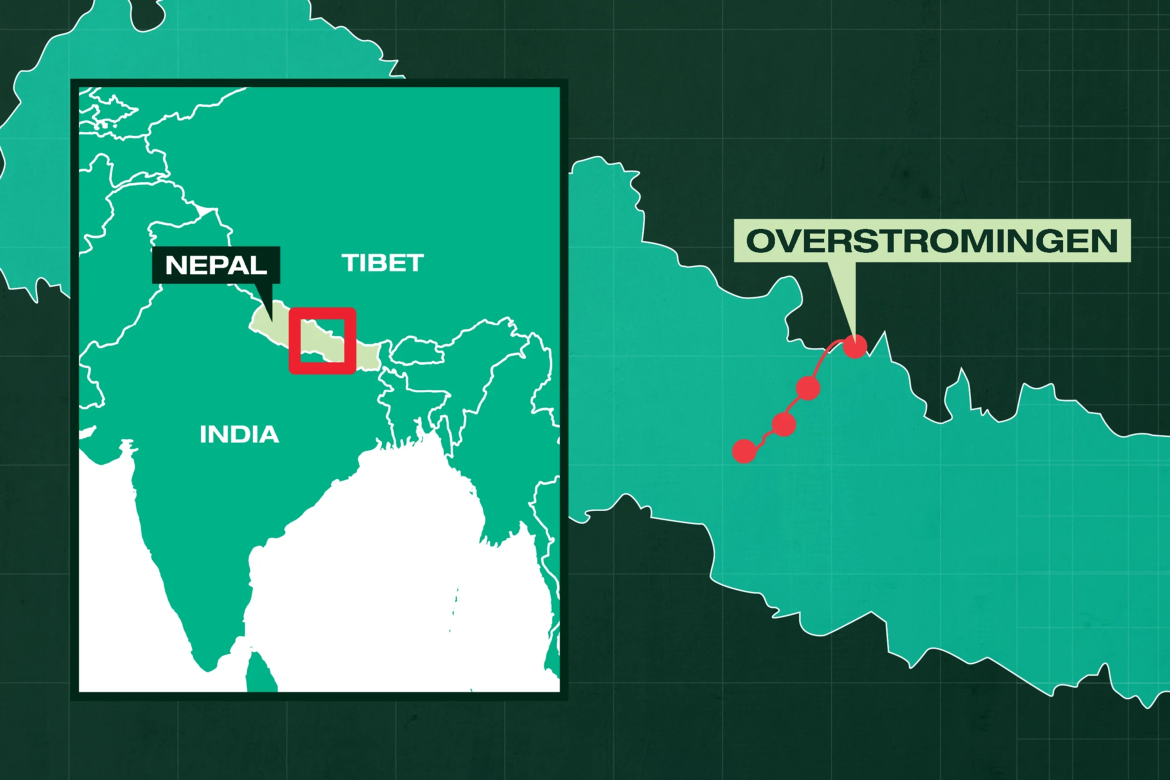
 

De snelheid en kracht van de overstroming overvielen iedereen volledig. Huizen werden binnen enkele seconden overspoeld, waardoor gezinnen nauwelijks een kans hadden om te ontsnappen. Degenen die erin slaagden een veilige plek te bereiken, konden alleen maar toekijken hoe hun huizen, bezittingen en bestaansmiddelen werden weggespoeld. De situatie is urgent. Gezinnen hebben nu een veilige plek nodig. Doneer alstublieft vandaag nog.

ShelterBox reageert en we werken hard om uit te zoeken hoe we de getroffen mensen het beste kunnen ondersteunen.  


We staan klaar om noodhulp te bieden, zoals thermische dekens, waterfilters en familietenten. Zodra we meer weten over de behoeften van de getroffen gemeenschappen, laten we het u weten. Zonder uw steun kunnen we dit niet. Uw donatie helpt bij het bieden van noodopvang en steun aan gezinnen die hun huis zijn kwijtgeraakt door de verwoestende overstromingen in Nepal. Bedankt dat u ons steunt zodat wij anderen kunnen helpen.

Voor meer informatie en doneren ga naar www.shelterbox.nl of doneer direct op NL 68 ABNA 0557 1190 30

Hieronder ook de tekst geschreven door Binod Khadka, een Nepalese student in Nederland, gesponsord door Rotaryclub Amsterdam-Centraal. Hij schrijft dit als een persoonlijke oproep. 


 Nepal Floods 2026: The Humanitarian Situation in Brief

  • Nepal is facing a major humanitarian crisis following the devastating flash floods that struck the Bhote Koshi and surrounding river systems on 26 August 2026. 

    The Government of Nepal reports hundreds of deaths, thousands of people unaccounted for and more than 8,000 people rescued. Search and rescue operations remain ongoing, with around 19,000 security personnel and 16 helicopters involved.

    The Government has not yet finalized the total number of people affected. However, humanitarian organisations estimate that around 90,000–100,000 people may have been affected, including approximately 17,000 children. This is a humanitarian estimate, not a finalized Government figure.

    The disaster has severely damaged homes, roads, bridges, hydropower facilities and other critical infrastructure, particularly in areas including Rasuwa, Nuwakot, Dhading and Gorkha.

    Nepal's Finance Minister Swarnim Wagle has given an initial estimate of US$4–5 billion for reconstruction, highlighting the enormous scale of the damage. This is a preliminary reconstruction estimate, not the immediate emergency-relief requirement.


    What Nepal needs now

    As the response moves from rescue toward recovery, major priorities include:

    • Emergency shelter for families who cannot return home
    • Tarpaulins, tents, blankets and sleeping materials
    • Clean water and sanitation
    • Water filters and purification supplies
    • Food and household cooking equipment
    • Hygiene and menstrual-health supplies
    • Medical and first-aid supplies
    • Solar lights and communication equipment
    • Children's supplies and temporary learning spaces
    • Tools and materials to repair damaged homes
    • Cash or voucher assistance where local markets are functioning


    Organisations such as ShelterBox can play an important role by providing emergency shelter and essential household items. Shelter assistance should be adapted to individual needs: some families may require complete emergency shelter, while others may only need repair materials.

    International assistance should be coordinated with the Government of Nepal, NDRRMA, local authorities, Nepal Red Cross and other humanitarian organisations to ensure that resources reach genuine gaps rather than duplicating existing aid.

    The immediate priority is rescue and survival. The next phase will focus on shelter, water, hygiene, food and household recovery. Longer term, Nepal will need housing reconstruction, livelihood recovery, restored infrastructure and stronger disaster resilience.

    The scale of the crisis is significant, but humanitarian support can help affected families move from survival toward recovery.

    Rescue saves lives. Shelter protects them. Recovery gives them a chance to begin again.


    Binod Khadka

